How to Locate the very best 3D Laser Scanning Solution in Dallas
Understanding 3D Laser Scanning Innovation and Its Applications
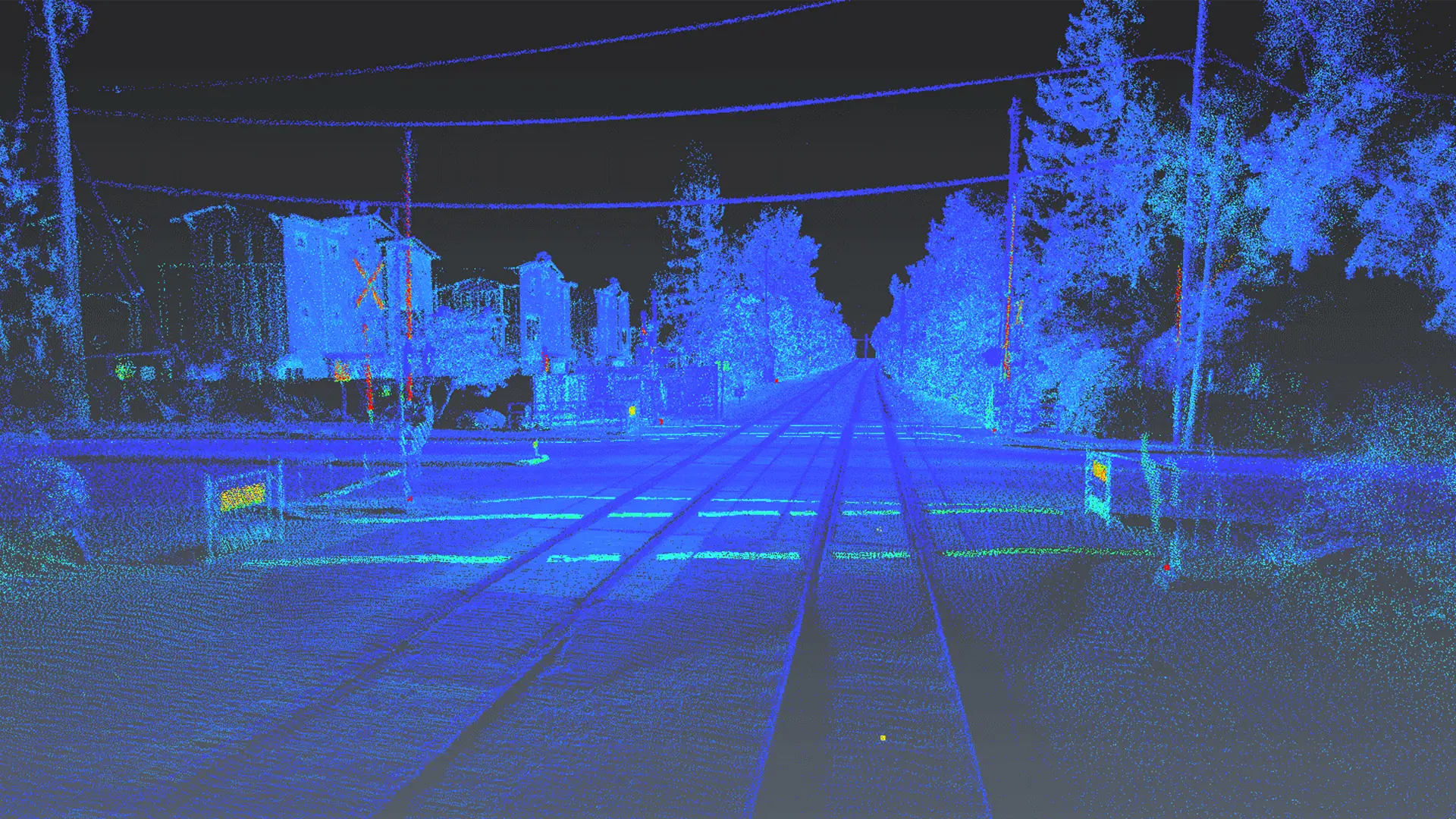
3D laser scanning records precise dimensional data from physical things and environments, creating precise electronic replicas.
The Core Process
This innovation makes use of laser light to measure the distance to a surface, creating a thick point cloud standing for the object'' s geometry.
Diverse Scanning Technologies
Numerous 3D scanning methods exist, including LiDAR, structured light, and time-of-flight, each fit to various item dimensions, products, and ecological conditions.
Data Applications in Dallas
The resulting 3D designs are useful for countless industries in Dallas, such as architecture, building, production, and historic conservation.
Influence On Citizen Industries
These versions facilitate tasks like building info modeling (BIM), reverse engineering, high quality assessment, and developing digital scenic tours. As an assemble, recognizing these fundamentals is essential when seeking a qualified 3D laser scanning service in Dallas to ensure the chosen technology and competence line up with certain job demands.
Defining Your Task Demands and Goals
Comprehending the Range
Prior to looking for a 3D laser scanning solution in Dallas, thoroughly detail the specifics of your job. Exactly what needs to be scanned –-- a building frontage, a production element, or an archaeological artifact? The scale and intricacy of the things straight influence the type of scanner required and the expertise necessary.
Establishing Precision and Resolution
Next, establish the called for degree of detail and accuracy. Are you creating a harsh design for visualization functions, or do you need specific dimensions for reverse engineering or quality control? This determination will certainly determine the resolution of the scan and the acceptable margin of mistake, affecting both the scanning process and the last deliverables.
Specifying Deliverables and Budget
Finally, plainly define the desired result style (e.g., point cloud, CAD version, mesh) and your budget plan constraints. Recognizing what you need the information for will certainly help you connect successfully with potential scanning solutions and ensure they can give the proper deliverables within your financial criteria.
As a round up, taking the time to meticulously define these vital elements will certainly save time and money over time, ensuring you choose a Dallas-based 3D laser scanning service that is flawlessly lined up with your task'' s special
demands. What is 3D scanning
3D scanning is the process of analyzing a real-world item or setting to gather three-dimensional information regarding its form, and possibly its look (like color). This data is after that utilized to develop digital 3D designs of the item or setting.
Historical realities regarding 3D scanning
Based upon the provided message, here are some historic realities about 3D scanning:
Very early Applications: The collected 3D data serves for a wide range of applications. These tools are used extensively by the show business in the manufacturing of films and computer game, including virtual fact. Other typical applications of this technology include increased reality, motion capture, motion acknowledgment, robotic mapping, industrial style, orthotics and prosthetics, reverse design and prototyping, quality control/inspection and the digitization of social artifacts.
Triangulation Origins: Using triangulation, a vital principle in many 3D laser scanners, to determine ranges go back to classical times.
Technological Diversity: 3D scanning includes a series of modern technologies, including optical, acoustic, laser scanning, radar, thermal, and seismic methods.
Computed Tomography (CT): Computed tomography (CT) is a clinical imaging technique which creates a three-dimensional photo of the inside of an object from a large series of two-dimensional X-ray pictures, likewise magnetic vibration imaging is one more clinical imaging technique that offers a lot better comparison in between the various soft tissues of the body than computed tomography (CT) does, making it especially helpful in neurological (brain), musculoskeletal, cardiovascular, and oncological (cancer cells) imaging. These methods create a distinct 3D volumetric depiction that can be straight thought of, adjusted or transformed to typical 3D surface area by mean of isosurface removal formulas.
Structured light scanning: Structured-light scanning is still a really energetic location of study with lots of study documents published every year. Perfect maps have also been shown helpful as structured light patterns that solve the correspondence trouble and permit mistake discovery and error adjustment.
It'' s essential to note that the text concentrates more on the types of 3D scanning technologies and their applications as opposed to a thorough sequential background of their growth.
Looking Into 3D Laser Scanning Providers in Dallas
3D laser scanning catches comprehensive data concerning a things'' s shape and appearance, creating the basis for electronic 3D designs; so when seeking a service provider in Dallas, begin by assembling a listing of potential prospects via online searches, market directories, and references.
Inspect Online Presence and Reviews
Carefully take a look at each business'' s website to recognize their services, experience, and the types of tasks they'' ve dealt with; Pay close attention to customer reviews and online evaluations on platforms like Google, Yelp, and industry-specific discussion forums to evaluate their reputation and consumer complete satisfaction.
Assess Technical Capabilities and Devices
Determine which 3D scanning innovations (e.g., LiDAR, structured light) each supplier uses, guaranteeing they line up with the details demands of your task; Inquire about their tools'' s accuracy, array, and ability to take care of the size and intricacy of the object or atmosphere you require scanned.
Review Experience and Know-how
Examine each supplier'' s experience in your specific market or application( e.g., architecture, manufacturing, social heritage); Look for accreditations, associations, or case studies that show their expertise and commitment to top quality.
As a round up, extensive study is essential to discovering a Dallas 3D laser scanning solution that meets your job'' s one-of-a-kind needs and provides precise, reliable results.
Examining Experience, Experience, and Equipment
When choosing a 3D laser scanning solution in Dallas, meticulously consider their background.
Job Background
Check into the service provider'' s portfolio and case studies. A tried and tested record, particularly with projects similar to yours, talks quantities concerning their capabilities.
Technical Skills
Evaluate the team'' s understanding of different 3D scanning innovations (LiDAR, organized light, and so on) and their effectiveness in information processing and model creation.
Equipment Stock
Inquire about the kinds of scanners they utilize and their viability for your task'' s details needs, taking into consideration read more factors like precision, range, and portability.
Software Proficiency
Confirm their proficiency with relevant software for point cloud processing, CAD modeling, and data evaluation, making certain smooth assimilation with your existing operations.
Calibration criteria
Check if the devices is calibrated. Ask for devices calibration reports.
As a round up, a thorough evaluation of a company'' s experience, experience, and tools is essential for an effective 3D laser scanning job in Dallas.
Evaluating Accuracy, Resolution, and Information Deliverables
When reviewing 3D laser scanning solutions in Dallas, scrutinize their accuracy cases. Seek proven data demonstrating the scanner'' s accuracy under problems similar to your project'' s setting. Independent validation or reviews from previous customers can be important here.
Take into consideration the resolution used, which dictates the level of information caught. A higher resolution check will represent finer attributes, important for applications like reverse engineering or thorough building documentation. Understand just how the solution defines and gauges resolution, and ensure it aligns with your job’& rsquo; s requirements.
Ask about the particular data deliverables supplied. Common layouts include factor clouds (e.g.,. LAS,. PLY), harmonized designs (e.g.,. STL,. OBJ), and CAD versions. Verify that the service can supply data in a layout compatible with your existing software program and process.
Ultimately, clear up any kind of post-processing services consisted of, such as data cleansing, registration, and version creation. These solutions considerably influence the usability of the last 3D model.
To place it short, carefully taking a look at these factors will certainly guarantee you receive a 3D laser scanning solution that meets your requirements for accuracy, detail, and assimilation with your existing systems.
Reviewing Customer Testimonials and Instance Studies
Customer testimonials and case studies use invaluable understandings when reviewing 3D laser scanning services in Dallas. Inspect these sources to gauge a supplier'' s expertise, dependability, and capacity to supply accurate results details to similar projects. Try to find information regarding project range, obstacles conquer, and quantifiable renovations attained. Positive feedback and compelling study showcasing effective Dallas-based tasks are strong indicators of a trustworthy and capable provider.
To place it short, meticulously analyzing client reviews and study supplies a sensible understanding of a 3D laser scanning solution'' s real-world performance and suitability for your specific requirements in the Dallas area.
Comprehending Prices Designs and Spending Plan Considerations
Browsing the economic facets of 3D laser scanning is crucial for selecting the right Dallas service.
Pricing Structures
Grasp the different pricing models typically used, such as per-scan, per-hour, per-project, or a hybrid method, understanding what each entails for your particular project scope.
Factors Influencing Cost
Identify that variables like the dimension and intricacy of the things or atmosphere, needed accuracy, the level of detail needed, and any kind of post-processing solutions (e.g., version development, CAD conversion) directly impact the final rate.
Hidden Costs
Ask about prospective concealed charges, including travel expenses, information handling fees, or additional costs for alterations, to stay clear of unforeseen budget overruns.
Budget Appropriation
Establish your budget plan realistically, considering not simply the scanning itself however also the subsequent use the 3D data, ensuring you allot adequate funds for analysis, assimilation, or any kind of required modifications.
Worth Evaluation
Prioritize worth over entirely focusing on the most affordable cost; a slightly a lot more costly solution offering greater accuracy, faster turn-around, or exceptional post-processing might inevitably be much more cost-effective over time.
To put it short, extensively examine rates designs, account for all expense chauffeurs, and focus on long-term worth when choosing a 3D laser scanning solution in Dallas to stay within spending plan and accomplish your wanted results.
Making an Enlightened Decision and Beginning Your Job
After meticulously assessing possible Dallas-based suppliers, scrutinize their portfolios and customer reviews for tasks comparable to your own. This will offer you concrete insight right into their capabilities and experience.
Examining experience and expertise
Verify the solution'' s proficiency with the details 3D scanning modern technology best fit for your demands, whether it'' s LiDAR for large-scale atmospheres or structured light scanning for detailed objects. Comprehending their technical arsenal is important.
Spending Plan and Timeline Alignment
Make sure the recommended budget is transparent and includes all facets of the project, including information handling and model delivery. Plainly specify task timelines and milestones to preserve control and prevent hold-ups.
Interaction and Collaboration
Establish clear interaction networks and assumptions for collaboration throughout the project. A responsive and communicative company will certainly make certain a smooth and successful 3D scanning experience.
To put it short, by vigilantly examining profiles, validating technical expertise, aligning on budget and timelines, and solidifying communication procedures, you can with confidence choose the suitable 3D laser scanning solution in Dallas and launch your task with guarantee.
Contact us:
Reality IMT Inc
Serving Dallas TX
469-277-7550
https://realityimt.com/3d-scanning-services-dallas-texas/